Depression Treatment has A New PathWithout Pills
FDA-CLEARED TECHNOLOGY
Discover a modern, non-invasive treatment option. No surgery. No anesthesia. Just a clear path forward toward symptom relief.
This information is for educational purposes and is not intended for medical diagnosis or advice. If you would like to speak with one of our experts about exploring TMS click Request Consultation now.
THE BASICS
What Is TMS?
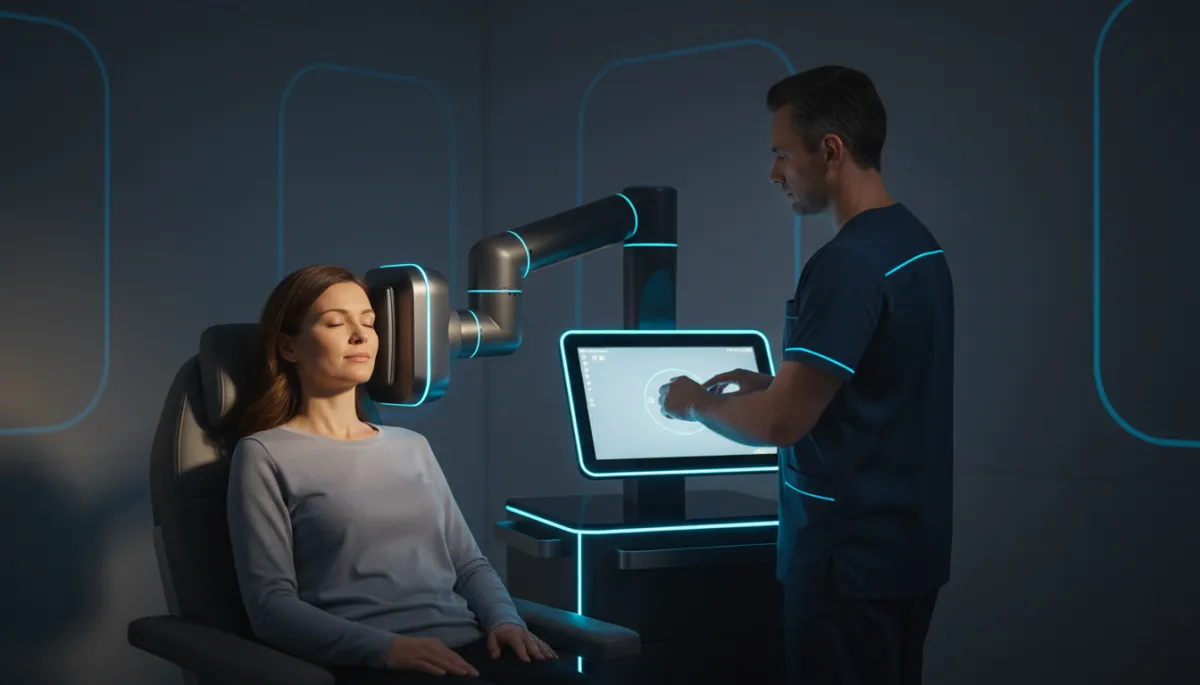
Transcranial Magnetic Stimulation (TMS) is a noninvasive medical treatment that uses magnetic pulses to stimulate targeted areas of the brain involved in mood regulation. It offers a modern, evidence-based alternative for those seeking advanced care.
Outpatient Setting
Treatment is performed in a comfortable clinical environment, allowing you to return home immediately.
No Surgery
A completely noninvasive procedure utilizing magnetic pulses, requiring no incisions or implants.
No Anesthesia
No sedation or medication is required to prepare for or undergo the stimulation sessions.
Remain Awake
You are fully alert during treatment and can safely drive yourself to work or home afterward.
INDICATIONS
Conditions We Treat



Major Depressive Disorder (MDD)
For adults who have not achieved satisfactory improvement from traditional antidepressant medications and therapy.
Anxious Depression
Targeted protocols designed to help reduce excessive worry, restlessness, and anxiety symptoms associated with depression.
Obsessive-Compulsive Disorder
FDA-cleared to address intrusive thoughts and repetitive compulsions, often utilizing symptom provocation exercises.
Smoking Cessation
Specialized Deep TMS protocols intended to support craving reduction and behavioral changes for smoking cessation.
PATIENT TIMELINE
Your Treatment Journey
A clear, transparent guide to what you can expect from your first consultation through to your daily sessions.
01
Consultation
A comprehensive psychiatric evaluation and medical history review to verify eligibility and determine if TMS is the right path for you.
02
Mapping Appointment
We locate the precise treatment area and calibrate the device's magnetic pulse settings for your specific neural pathways.
03
Daily Treatment
Relax in a comfortable chair while remaining fully awake. Most sessions take 20 to 40 minutes, and you can resume normal activities immediately.
TREATMENT COMPARISON
A Modern Alternative
VS. MEDICATION
A Non-Drug Pathway
TMS provides a targeted treatment option for patients who experience limited improvement or disruptive side effects from traditional antidepressant medications.
- No systemic side effects like weight gain or fatigue
- Targeted stimulation of specific brain regions
- Can often be used alongside existing medications
- Non-drug outpatient procedure
VS. ECT
No Seizures or Sedation
While both are medical treatments for depression, TMS operates without inducing seizures or requiring hospital stays, allowing patients to maintain their daily routines.
- Patients remain fully awake and alert
- No general anesthesia required
- Does not intentionally induce seizures
- Minimal recovery time, allowing you to drive home
CLINICAL TRANSPARENCY
Safety First Always
TMS is generally considered well-tolerated. Most patients resume normal activities immediately, but we believe in radical transparency regarding any potential side effects.
Common & Temporary Effects
- Mild headache or scalp discomfort
- Tingling sensations or facial twitching during treatment
- Temporary fatigue or lightheadedness
Rare But Serious Risks
Though uncommon, risks can include seizures, hearing discomfort (mitigated with provided ear protection), or mania in individuals with bipolar disorder. Comprehensive medical screening is conducted prior to treatment to minimize these risks.
Who This Is Not For
Some individuals may not be eligible for TMS if they have specific medical histories, including:
- Implanted metal devices near the head
- Certain implanted electronic devices
- Uncontrolled seizure disorders
- Specific neurological conditions
Eligibility must always be determined by a qualified healthcare provider during your initial consultation.
This section is intended for educational purposes only and should not be considered medical advice or diagnosis. Treatment outcomes vary and decisions must be made with a qualified provider.
COVERAGE & ELIGIBILITY
Accessible Care
Our team navigates insurance policies and verifies benefits to streamline your path to treatment. We are committed to making TMS treatment as accessible as possible.
Accepted Providers
- Medicare
- Commercial insurance plans
- Tricare (in some cases)
- Employer-sponsored coverage
Common Requirements
- Confirmed depression diagnosis
- Documentation of symptom severity
- Previous medication trials
- Prior authorization approval
Coverage Verification
Our dedicated care coordinators handle the entire prior authorization process to ensure you can focus entirely on your treatment and recovery.
CLARITY BEFORE YOU COMMIT
Common Questions
Find answers to the most common questions about the TMS treatment experience. If you need more details about your specific situation, our clinical team is ready to assist.
Does TMS hurt?
Many patients describe the sensation as tapping or knocking on the scalp. Some discomfort may occur during early sessions, but it typically improves quickly as you adjust to the treatment.
Can I drive after treatment?
Yes. Most patients can drive and return to normal activities immediately afterward. TMS requires no anesthesia or sedation, allowing you to resume your day without downtime.
How long do sessions take?
Session length varies depending on the treatment protocol. Traditional sessions often last 20 to 40 minutes, while some Theta Burst protocols may be completed in significantly shorter times.
How many sessions are needed?
Treatment plans vary, but many protocols involve 5 sessions per week over 4 to 6 weeks. Some patients may also have a tapering period toward the end of their treatment course.
Can TMS replace therapy or medication?
Some patients continue therapy and/or medications during treatment. TMS does not universally replace other treatments, and decisions should always be made with your healthcare provider.

We're Here To Help
Have a specific question about your symptoms or insurance coverage? Reach out to our care team for a confidential discussion.
TAKE THE NEXT STEP
Request Your Evaluation
A provider can evaluate whether TMS may be appropriate for your situation.
Secure & confidential • Insurance verification available

Empowering patients with clear, evidence-based education on Transcranial Magnetic Stimulation to help you make informed treatment decisions.
Clinical Sources
- Mayo Clinic
- Stanford Medicine
- National Institute of Mental Health
- Cleveland Clinic
- FDA Clearance Guidelines
Quick Links
- What is TMS Therapy?
- Conditions Treated
- Safety & Eligibility
- Insurance & Coverage
- Patient FAQ
Connect


Medical DisclaimerThis knowledge base is intended for educational and informational purposes only. It should not be considered medical advice, diagnosis, or treatment recommendations. Treatment outcomes vary between individuals. All medical decisions should be made with a qualified healthcare professional.
© 2026 TMS Wisdom. All rights reserved.